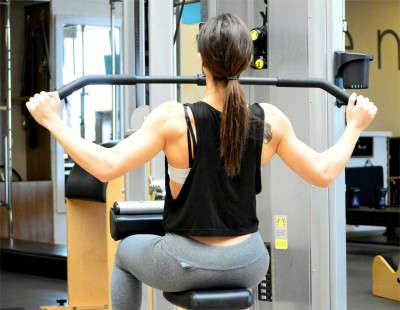
Going to the gym has become an integral part of a healthy lifestyle for many people, and for good reason. Regular exercise, whether strength training, cardio, or flexibility exercises, has been shown to offer numerous health benefits, improving both physical and mental well-being. Below are some of the ways that going to the gym can enhance your health.

Exercising at home has become increasingly popular due to its convenience and flexibility. With no need for a gym membership or special equipment, home workouts allow you to stay fit without leaving the comfort of your own space. Whether you're looking to build strength, improve flexibility, or simply stay active, here’s how you can create an effective exercise routine at home.
Stretching is often overlooked in fitness routines, but it plays a vital role in maintaining flexibility, preventing injury, and promoting overall well-being. Whether you’re an athlete or someone who exercises casually, incorporating stretching into your daily routine can improve your physical performance and posture, while also reducing muscle tension and soreness. Here’s why stretching is important and how you can do it correctly to get the most out of your workout. 1. Improves Flexibility and Range of Motion One of the primary benefits of stretching is increased flexibility. Flexibility allows your joints to move through their full range of motion, which is crucial for both everyday activities and athletic performance. Over time, regular stretching improves your flexibility, helping you move more freely and with less stiffness. Key stretches for flexibility: Hamstring Stretch: Sit on the floor with one leg extended, and reach for your toes to stretch the back of your thigh. Quadriceps Stretch: Stand on one leg and pull the other foot towards your glutes to stretch the front of your thigh. Shoulder Stretch: Bring one arm across your body and hold it with your other hand to stretch your shoulders. 2. Reduces the Risk of Injury Stretching helps to lengthen and loosen your muscles, reducing the likelihood of injury during physical activity. When your muscles are tight, they are more prone to strains, sprains, and tears. Stretching before and after exercise helps prepare your muscles for movement and promotes faster recovery, minimizing the risk of injury. Pre-workout stretches: Dynamic Stretching: Focus on movements that warm up your muscles, such as leg swings, arm circles, and torso twists. These stretches increase blood flow and gradually improve flexibility in preparation for exercise. Post-workout stretches: Static Stretching: After exercise, static stretches, where you hold the position for 20-30 seconds, help your muscles cool down and